Employers are struggling to attract, retain, and engage their employees. Take a look at a few numbers:
- 70% of employees are somewhat likely to leave their current jobs for a company that invests in employee learning and development.
- 1 in 3 employees have left a job because they wanted more career development opportunities.
- Nearly 70% of employees don’t feel engaged at work.
- Only 26% of employees feel their employers provide strong career development tools and clear career paths.
What’s a company to do? It’s clear that employees want stronger, more effective employee development.
But that doesn’t mean catered lunches, or upgrading your conference room furniture. Employee development also doesn’t mean unlimited vacation days. Don’t get us wrong—all these perks are nice to have, but none of them are employee development.
So what makes for true employee development?
- Prioritizing career drivers – Employers need to understand what their people really want from their careers, what motivates their decisions, and what they value. Helping your employees uncover their career drivers and using those motivators to guide career conversations, goal-setting, and skill development creates a more fulfilling work environment.
- Career development support – 79% of employees want to have career development conversations with their managers at least once a month or quarter. Make sure these conversations are happening on a regular basis, enabled by your performance management platform, and include setting long-term goals.
- Coaching and mentoring – It’s important to remember that managing and coaching aren’t the same thing—and your team needs both to succeed. Managers who effectively coach their employees can help boost performance by 130%. And by connecting their employees with experts across the organization, managers can leverage an untapped resource to help out with much-needed mentoring.
- Consistent feedback – Giving your employees feedback on a regular basis ensures each employee feels seen and understood, and helps strengthen their development and growth. Feedback doesn’t have to just come from managers—peer feedback is also a valuable resource. Make sure your employees’ voices are being heard, too. Get their feedback through engagement surveys to understand how employees feel about their roles and the organization.
- Growth opportunities – Use career drivers to guide all ongoing development efforts so your employees are growing in the direction they want. Focus on transferable skills such as communication, problem-solving, and empathy, as they will be valuable in any future role. Stretch assignments are a great way to grow skills and allow for employees to try on different responsibilities.
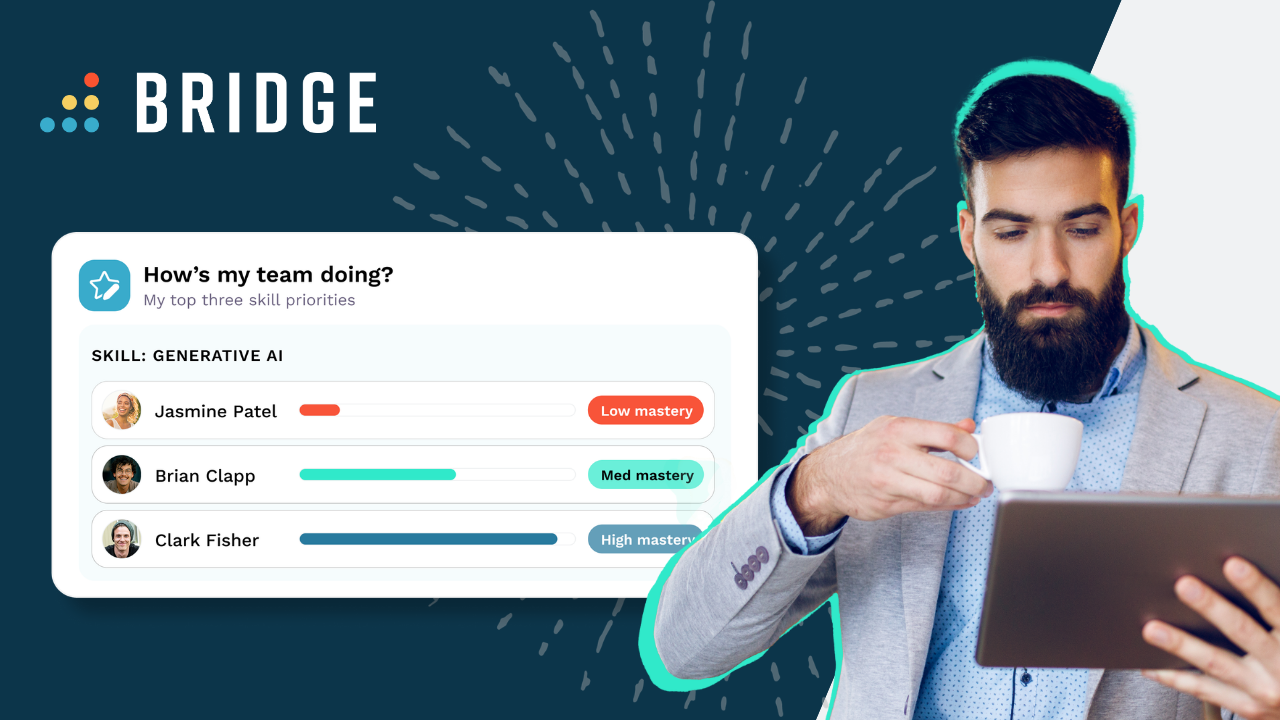
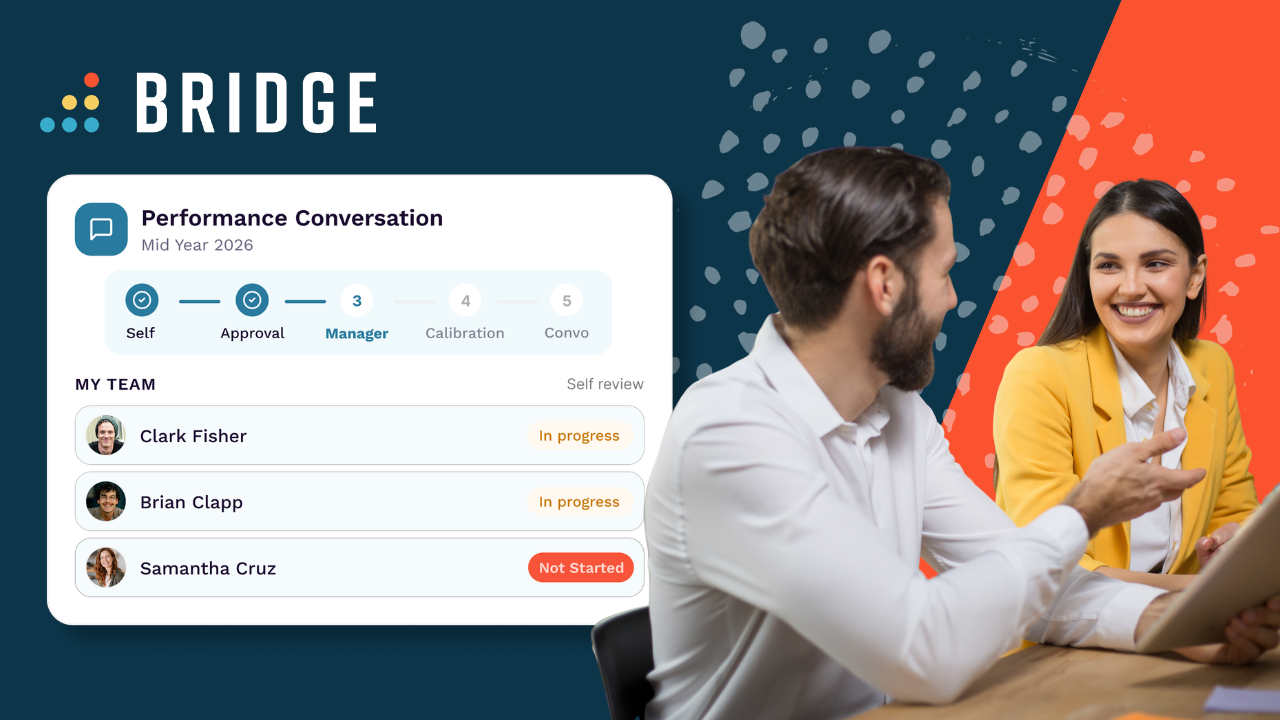
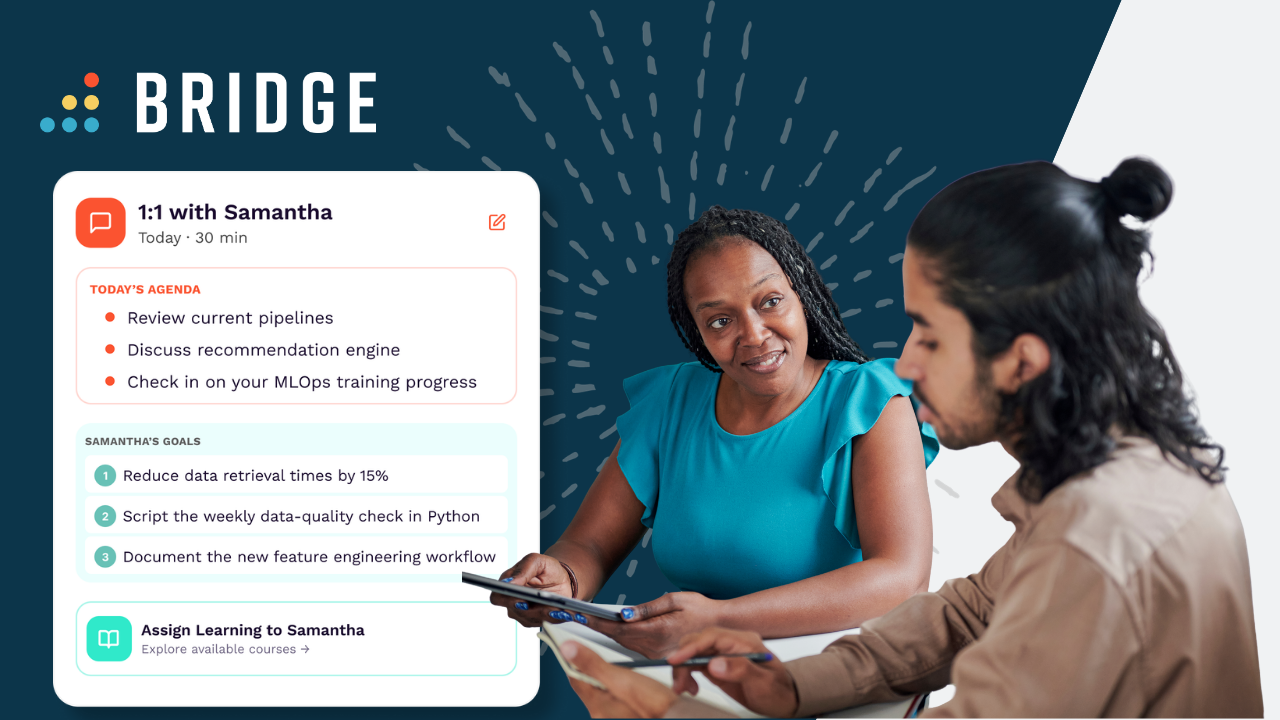
There’s a whole lot more that goes into effective employee development—and we’ve launched the Bridge Employee Development Platform to bring it all together while putting your people first. We’ve designed Bridge to enable conversations, plans, and programs to help employees find meaning in their work and achieve long and short-term growth. Bridge helps companies identify and deliver all the learning and experiences critical for employee growth and development and provides managers with the tools to support their people.
Your employees may enjoy a complimentary slice or two at lunchtime, but real employee development helps your employees feel engaged, supports clear career paths, and gives employees the tools they need to work toward their career goals.
For more on how to provide real employee development in your org, check out our “Definitive Guide to Employee Development.” We’ve got you covered!